Best SIP Plan for 10 Years in India – Returns, Performance & Long-Term Wealth

Building wealth is rarely about chasing quick profits. Most successful investors focus on consistency, discipline, and time in the market, not timing the market. One of the most effective ways to follow this approach is through a Systematic Investment Plan (SIP) in mutual funds. SIP allows investors to invest a fixed amount regularly, helping them participate in market growth while avoiding the challenge of timing the market.
In India, SIP investing has grown rapidly, with monthly SIP inflows now exceeding ₹20,000–₹25,000 crore, compared to less than ₹8,000 crore a decade ago. At the same time, the number of active SIP accounts has crossed 10 crore, reflecting the growing popularity of disciplined, long-term investing among retail investors. By investing a small amount every month, investors gradually build exposure to the market and benefit from compounding. However, the real power of SIP investing becomes visible only when the investment horizon is long enough.
A 10-year investment horizon strikes a good balance between growth and risk. It allows investors to ride through market cycles, benefit from rupee cost averaging, and give equity funds enough time to generate meaningful returns. Choosing the best SIP plan for 10 years therefore becomes an important step in building a strong long-term portfolio.
In this guide, we explore why a 10-year SIP horizon works well, which mutual fund categories are suitable for such investments, how much wealth you can potentially create, and what factors you should consider before selecting the best SIP plan for 10 years.
Why a 10-Year SIP Horizon Works Well for Wealth Creation
A long investment horizon plays a crucial role in making SIP investments successful. Short-term market fluctuations can often create uncertainty, but longer investment periods allow investors to benefit from market growth and compounding. Some key reasons why a 10-year SIP horizon works particularly well include:
1. Market volatility becoming less significant
Equity markets can fluctuate significantly in the short term due to economic events, geopolitical developments, or investor sentiment. However, over longer periods, these fluctuations tend to smooth out. A 10-year SIP horizon allows investors to remain invested through market ups and downs without reacting emotionally to temporary volatility.
2. Compounding effect accelerating wealth creation
Compounding is one of the most powerful forces in investing. When investment returns start generating additional returns, the growth of your portfolio begins to accelerate. Over a decade, this compounding effect becomes substantial and can significantly increase the final investment value.
3. Rupee cost averaging works efficiently
SIP investing automatically applies rupee cost averaging. When markets fall, the SIP amount buys more units, and when markets rise, it buys fewer units. Over time, this averaging reduces the impact of market volatility and improves the overall purchase cost of investments.
4. Equity funds get sufficient time to perform
Equity mutual funds generally perform better over longer time periods. A decade gives fund managers enough time to execute their investment strategies and benefit from corporate earnings growth.
Because of these advantages, many investors prefer building their portfolio through the best SIP plan for 10 years rather than focusing on short-term investment opportunities.
Mutual Funds Suitable for a 10-Year SIP
Different categories of equity mutual funds can work well for long-term SIP investing. The right choice depends on an investor’s risk tolerance, return expectations, and investment goals when selecting the best SIP plan for 10 years.
Most long-term portfolios combine different categories to balance stability and growth.
Flexi Cap Funds
Flexi cap funds invest across large, mid, and small cap stocks. Fund managers have the flexibility to shift allocations depending on market opportunities and valuations.
This flexibility allows flexi cap funds to adapt to changing market conditions, which can be beneficial over long investment horizons.
Flexi cap funds can serve as a balanced core holding when building the best SIP plan for 10 years, as they offer exposure to multiple market segments.
Fund | 10 Yr CAGR | 10 Yr Standard Deviation | Monthly Expense Ratio |
Parag Parikh Flexi Cap Fund | 18.60 | 13.03 | 0.63 |
JM Flexi Cap Fund | 18.14 | 16.98 | 0.62 |
Kotak Flexi Cap Fund | 15.89 | 15.78 | 0.60 |
HDFC Flexi Cap Fund | 18.29 | 17.65 | 0.67 |
Mid Cap Funds
Mid cap companies are typically in a growth phase and have the potential to expand rapidly. As a result, mid cap funds often deliver higher long-term returns compared to large cap funds, although they also come with higher volatility.
These funds are suitable for investors who have a higher risk tolerance and a long investment horizon.
Mid cap funds can add growth potential to a portfolio designed around the best SIP plan for 10 years, particularly when investors are comfortable with short-term volatility.
Fund | 10 Yr CAGR | 10 Yr Standard Deviation | Expense Ratio |
Nippon India Growth Mid Cap Fund | 20.15 | 18.51 | 0.74 |
Axis Mid Cap Fund | 18.64 | 15.78 | 0.57 |
HDFC Mid Cap Fund | 16.13 | 17.51 | 0.83 |
Small Cap Funds
Small cap funds invest in smaller companies that are typically in the early stages of their growth cycle. These businesses often operate in emerging industries or niche segments and can expand rapidly if their business models succeed.
As a result, small cap funds have historically delivered higher long-term return potential, but they also come with higher volatility and risk compared to large and mid cap funds.
Hence, small cap funds are strictly suited for long term allocations, and for investors with very high risk tolerance.
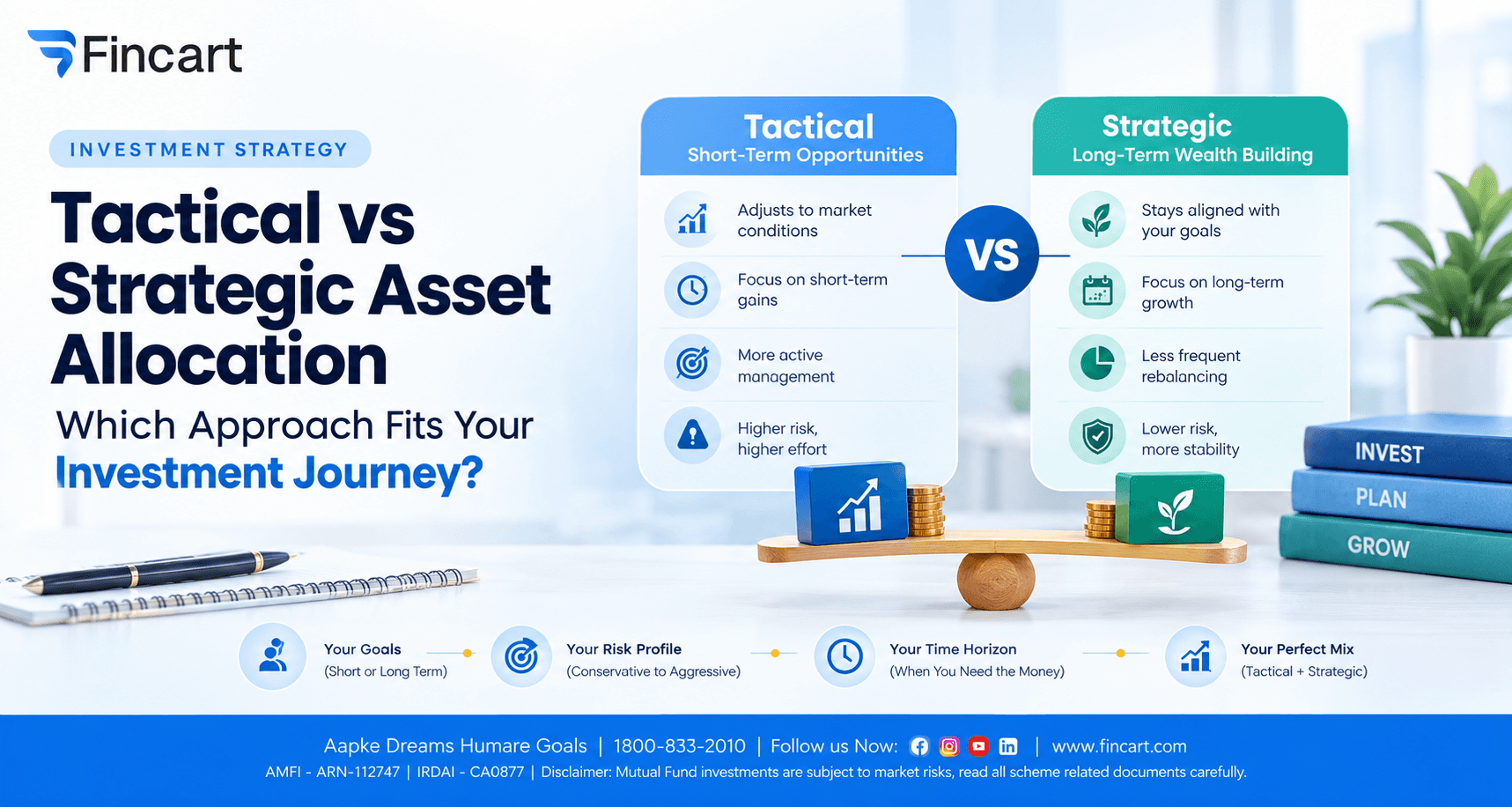
Small cap funds can serve as a tactical allocation when building the best SIP plan for 10 years, as they offer significant upside potential.
Fund | 10 Yr CAGR | 10 Yr Standard Deviation | Expense Ratio |
Axis Small Cap Fund | 19.68 | 17.26 | 0.59 |
HDFC Small Cap Fund | 19.43 | 20.35 | 0.67 |
Nippon India Small Cap Fund | 22.01 | 21.02 | 0.66 |
Quant Small Cap Fund | 18.80 | 21.43 | 0.81 |
Large and Mid Cap Funds
Large and mid cap funds invest in a mix of large cap and mid cap companies, typically maintaining a minimum allocation of 35% in each segment as per SEBI regulations. This structure allows investors to benefit from the stability of large companies while also capturing the growth potential of mid-sized businesses.
Because of this balanced allocation, large and mid cap funds are often considered suitable for investors who want moderate risk with higher growth potential than pure large cap funds.
Over a long investment horizon such as 10 years, these funds can benefit from both established companies and emerging industry leaders.
Fund | 10 Yr CAGR | 10 Yr Standard Deviation | Expense Ratio |
Mirae Asset Large & Midcap Fund | 18.79 | 16.78 | 0.56 |
Bandhan Large & Mid Cap Fund | 17.97 | 17.01 | 0.53 |
Kotak Large & Mid Cap Fund | 17.80 | 15.73 | 0.55 |
ICICI Prudential Large & Mid Cap Fund | 17.51 | 16.46 | 0.79 |
Strategy-Based Funds
Strategy-based funds invest according to an investment theme, market opportunity, or investment strategy rather than following a traditional market-cap approach.
Because these funds rely on specific themes or tactical strategies, their performance can be more cyclical and volatile compared to diversified equity funds. However, they can also provide unique opportunities to participate in emerging sectors or market trends.
For investors with a long investment horizon, these strategies can provide additional diversification and exposure to unique market strategies. However, these funds are typically used as satellite allocations rather than core holdings when building the best SIP plan for 10 years, as their performance can depend on market themes or economic cycles.
Fund | 10 Yr CAGR | 10 Yr Standard Deviation | Expense Ratio |
ICICI Prudential Thematic Advantage FOF | 16.19 | 14.96 | 0.95 |
ICICI Prudential Value Fund | 17.10 | 14.40 | 0.96 |
SBI Contra Fund | 17.47 | 17.14 | 0.71 |
Illustration: How Much Can You Earn From a 10-Year SIP?
One of the most powerful aspects of SIP investing is the combination of compounding and rupee cost averaging. Over time, these two factors can significantly increase the value of your investment portfolio.
Rupee cost averaging works because SIP investments continue regardless of market conditions. When markets decline, investors automatically purchase more units at lower prices. When markets rise, they purchase fewer units. Over time, this leads to a more balanced average purchase cost.
To understand the potential wealth creation from SIP investing, consider the following example.
Monthly SIP amount: ₹10,000
Investment duration: 10 years
Total investment: ₹10,000 × 12 months × 10 years = ₹12,00,000
Now consider different return scenarios:
At Average Annual Return % | Future Value of Investment |
10% | ~₹20.5 lakh |
12% | ~₹23 lakh |
14% | ~₹26 lakh |
Investors who want to estimate their potential corpus before starting can take help of an SIP investment planner to project how different monthly contributions and return assumptions may affect long-term wealth creation.
It is important to remember that mutual fund returns are market-linked and may vary depending on economic conditions and market performance. However, the illustration clearly shows the power of long-term compounding. Over a 10-year period, a total investment of ₹12 lakh can potentially grow to ₹20–26 lakh depending on the average return earned. Even a small difference in annual returns can significantly increase the final portfolio value, which highlights why selecting the best SIP plan for 10 years and staying invested consistently can make a meaningful difference to long-term wealth creation.
Factors to Consider Before Choosing the Best SIP Plan for 10 Years
Selecting the right mutual fund plays a critical role in long-term SIP investing. Investors should evaluate several factors before choosing the best SIP plan for 10 years. Some important aspects to consider include:
Long-term performance record: Investors should review the historical performance of a fund across multiple market cycles. Consistency is often more important than occasional high returns.
Risk level and volatility: Different mutual fund categories have different risk levels. Categories like small cap funds may experience greater price fluctuations than categories like flexi cap funds.
Fund manager experience: An experienced fund manager with a strong investment philosophy can help navigate challenging market environments and maintain consistent performance through different market cycles.
Expense ratio: The expense ratio represents the cost of managing a mutual fund. Lower expenses can improve long-term returns, especially for investments held over many years.
Investors may consult an SIP investment planner to estimate how much they need to invest every month to reach their financial goals. This can help investors plan their SIP contributions more effectively and stay aligned with long-term financial goals.
Tips to Maximise Returns From a 10-Year SIP
While selecting the right mutual fund is important, investor behavior also plays a major role in long-term success. Following a few disciplined strategies can help maximise the benefits of SIP investing.
1. Start early and stay consistent
The earlier investors start their SIPs, the longer compounding has to work. Even small monthly investments can grow significantly when given enough time.
2. Increase SIP contributions gradually
Many investors increase their SIP amount every year as their income grows. This strategy, often called a step-up SIP, accelerates wealth creation.
3. Avoid stopping SIPs during market corrections
Market downturns often create the best opportunities for SIP investors. Continuing investments during these periods helps accumulate more units at lower prices.
4. Diversify across mutual fund categories
A diversified portfolio that includes flexi cap, mid cap, and small cap funds can balance stability and growth potential.
5. Review your portfolio at least annually
Investors should periodically review their mutual fund holdings to ensure that the funds continue to perform well and align with their financial goals.
Following these disciplined strategies can significantly improve the effectiveness of your 10 year SIP plan.
Conclusion :
SIP investing remains one of the simplest and most effective ways to build long-term wealth through mutual funds. By investing a fixed amount regularly, investors can benefit from market growth, rupee cost averaging, and the powerful effects of compounding.
A 10-year investment horizon allows investors to ride through market cycles and give equity funds enough time to generate meaningful returns. Selecting the right mutual fund categories, maintaining diversification, and staying consistent with investments are all important factors in long-term success.
Ultimately, the best SIP plan for 10 years is one that aligns with your financial goals, risk tolerance, and investment discipline. Investors who stay patient and committed to their SIP strategy often find that small monthly investments can gradually grow into substantial long-term wealth.
Frequently Asked Questions (FAQs)
Which mutual fund is best for SIP for 10 years?
Equity mutual funds are generally considered the most suitable for a 10-year investment horizon because they offer higher long-term growth potential. Investors can choose a mix of large cap, flexi cap, mid cap, and small cap funds according to their risk appetite and goals.
What return can I expect from a 10-year SIP?
On an average, equity mutual funds in India have historically delivered around 11–15% annual returns over long periods. However, actual returns can vary depending on market conditions, and may be much higher or lower than the mentioned average.
How much should I invest in SIP every month for 10 years?
The monthly SIP amount depends on the financial goal you want to achieve and the return you expect from your investments. For example, if an investor aims to build around ₹25 lakh in 10 years, investing approximately ₹10,000 per month at an average annual return of about 12% could help reach that target. On the other hand, if the goal is to build ₹1 crore in 10 years, the monthly SIP would need to be significantly higher, roughly ₹60,000–₹65,000 per month, assuming the same return
.
Can I stop my SIP anytime?
Yes, investors can stop or pause their SIPs at any time. However, continuing SIPs during market fluctuations often improves long-term investment outcomes.
What is the minimum amount required to start SIP?
Most mutual funds in India allow investors to start an SIP with as little as ₹500 per month, making it one of the most accessible investment options for retail investors.
Is SIP safe for long-term investment?
SIP investments in equity mutual funds are market-linked and carry some risk. However, long investment horizons such as 10 years can help reduce the impact of short-term market volatility.
Disclaimer: All mutual funds and return illustrations mentioned are for informational and educational purposes only and do not constitute investment advice. Mutual fund investments are subject to market risks, and past performance is not indicative of future results. Investors should consult a financial advisor before making investment decisions.
Read Important Disclosures